Research
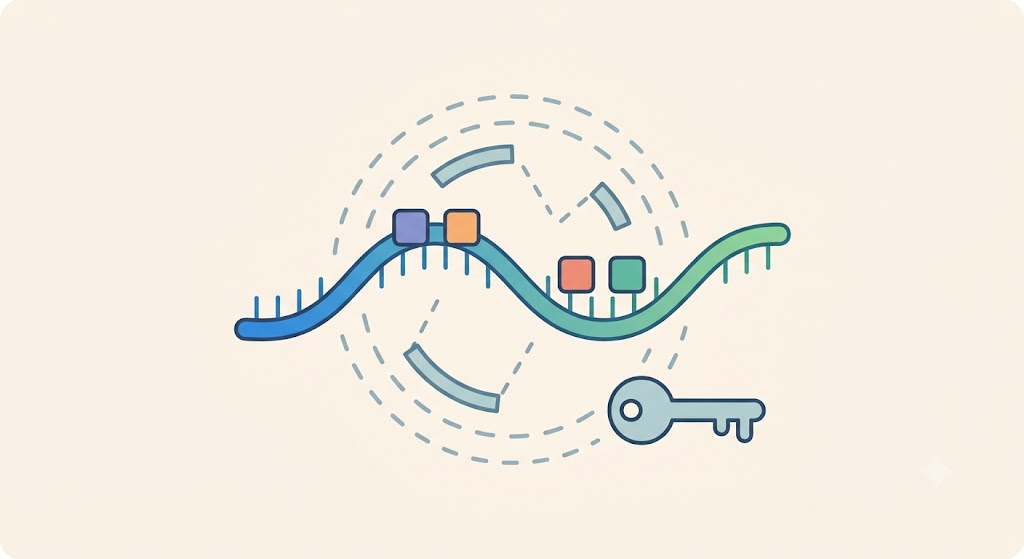
Post-transcriptional Regulation
RNA-binding proteins determine which transcripts are translated, when, and how quickly they decay. We characterize hnRNP Q, hnRNP A1, SYNCRIP, and FUBP1 as regulators of IRES-mediated translation and mRNA turnover, linking them to circadian oscillation of clock genes, stress-induced p53 induction, and neuronal protein synthesis.
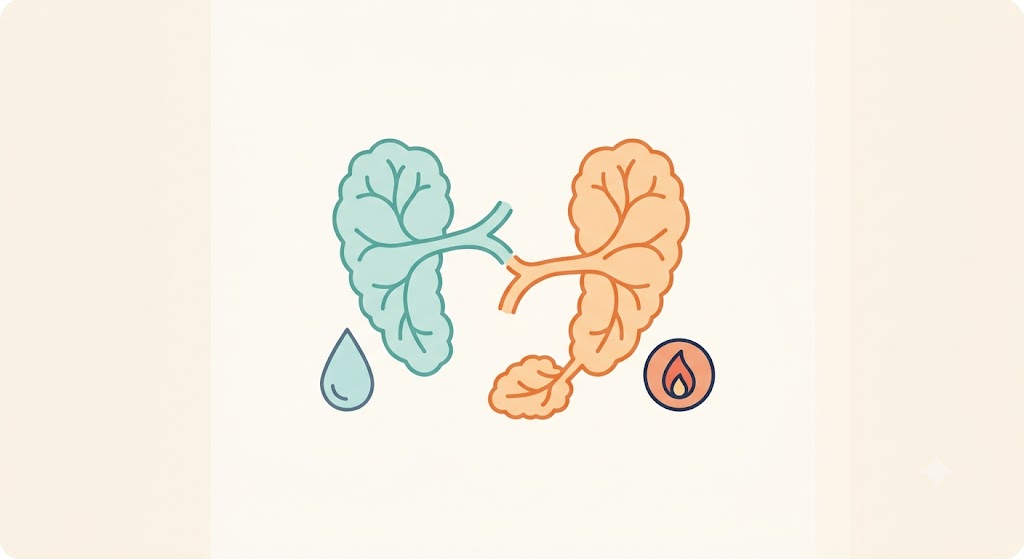
Salivary Gland & Sjögren’s Syndrome
We investigate the earliest molecular events in salivary gland dysfunction, before overt tissue destruction. Building on our identification of FoxO1 as a regulator of aquaporin 5, we study transcriptional and O-GlcNAc–dependent control of acinar differentiation, epithelial barrier integrity, and the inflammation–aging axis driving primary Sjögren’s syndrome.
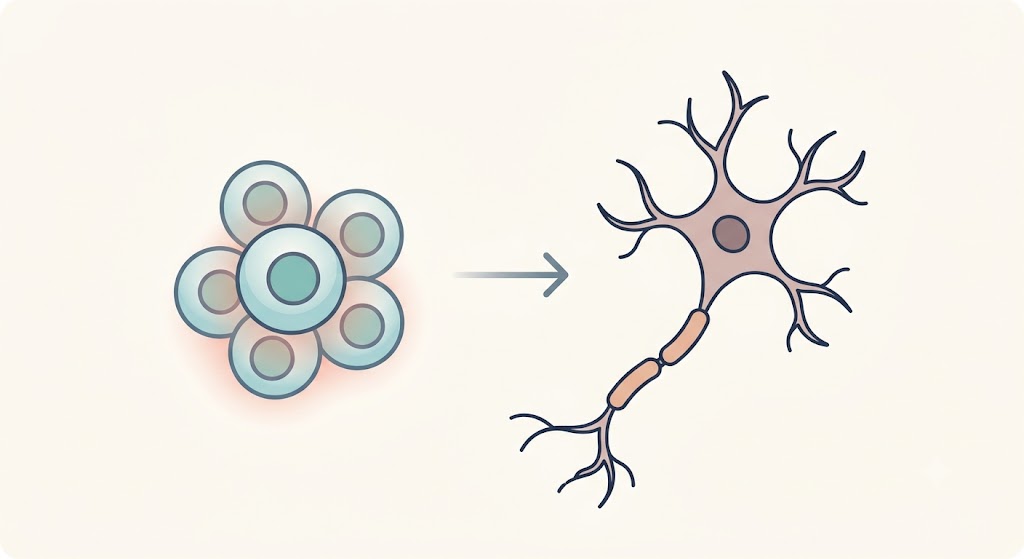
Neural Stem Cells & Brain Aging
Metabolic state and transcription factor networks govern neural stem cell self-renewal, differentiation, and decline with age. Current work centers on FoxO1 in neural stem cell fate and microglial redox control, and on how alpha-synuclein preformed fibrils reshape mitochondrial ROS, inflammation, and cell cycle progression in the brain.
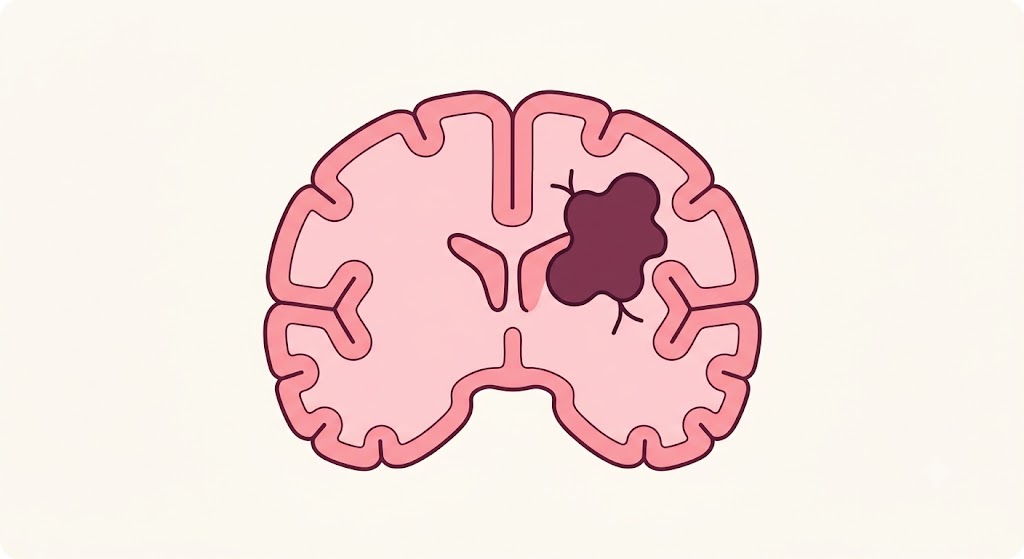
Glioblastoma
We search for molecular dependencies that can be converted into therapeutic targets. Ongoing projects address SYNCRIP-driven ferroptosis resistance and metabolic activation via SIRT1 and HK2, CYBC1 in ROS and NF-kB signaling, and MAOB as a route to sensitize glioblastoma to temozolomide.
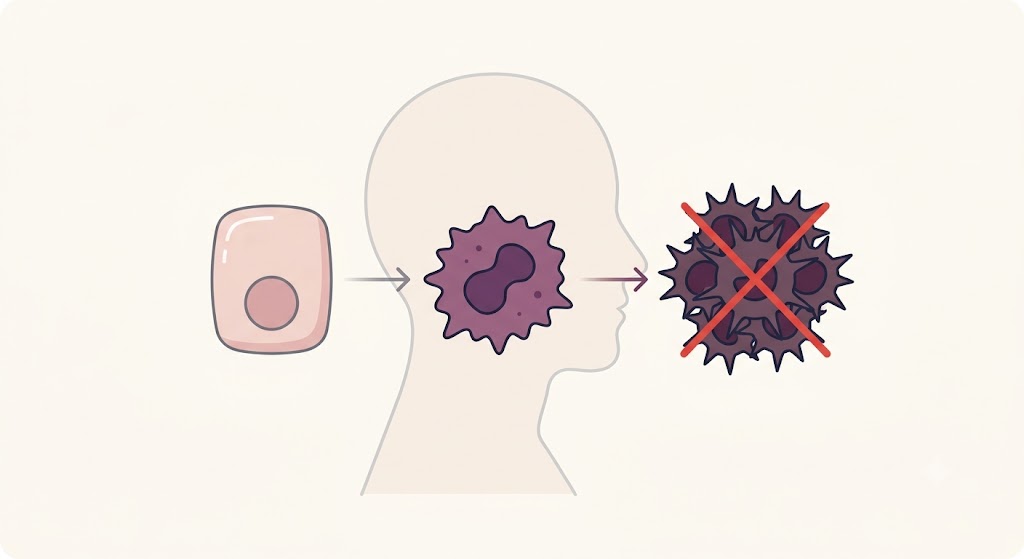
Oral & Head and Neck Cancer
In oral squamous cell carcinoma and head and neck malignancies we study FoxO1-dependent tumor suppression and the mechanisms of immune evasion that limit the efficacy of checkpoint blockade, with the aim of defining molecular features that predict and improve therapeutic response.
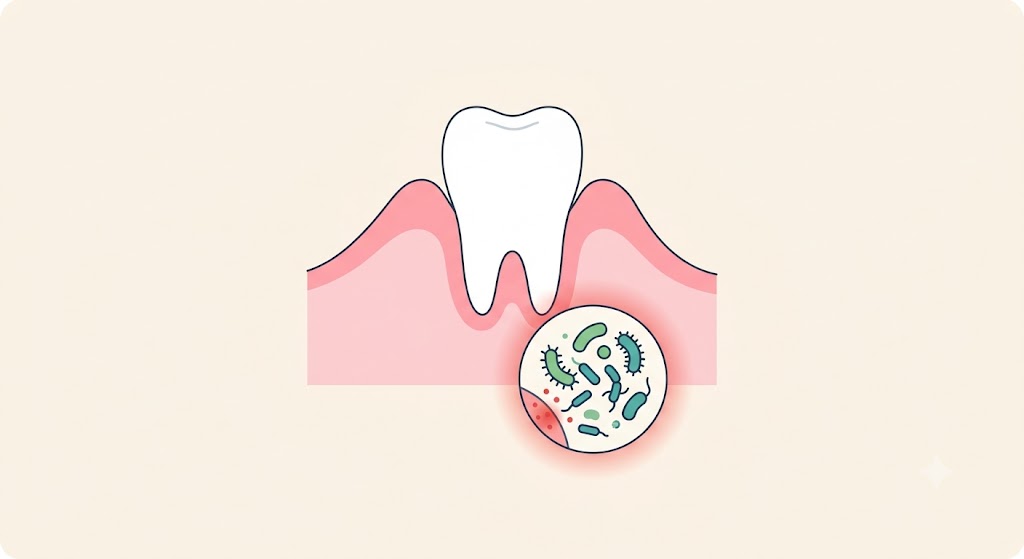
Oral Inflammation & Microbial Interface
Oral lichen planus is a chronic immune-mediated condition with unclear pathogenesis. We have implicated bacterial extracellular vesicles and stress-derived epinephrine as drivers of oxidative stress and epithelial damage, and ask how vesicle-derived nucleic acids induce genomic instability and epigenetic change in host cells.